


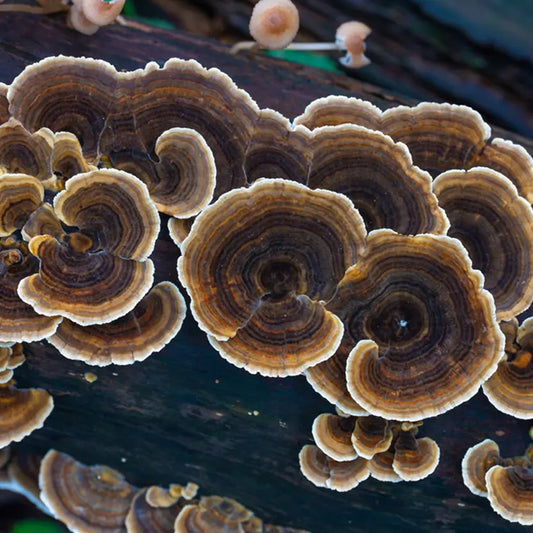





The Importance of Awe and Keeping a Beginner's Mind
There is something magical about spotting a mushroom you've never seen before. Maybe it's a patch of Shiitakes tucked into a fallen oak log or a tiny Morel pushing through the forest floor after a spring rain. Even seasoned mushroom enthusiasts pause, lean in and look a little closer. For just a moment, curiosity takes over. That feeling has a name: awe.
Research continues to show that experiencing awe can positively influence well-being, encouraging gratitude, curiosity and a greater sense of connection to the world around us. While awe often comes from extraordinary experiences, it can also be found in ordinary moments—especially when we approach life with what Zen practitioners call a "beginner's mind."
Paying attention to the small wonders around us can help shift our perspective and invoke gratitude. Awe takes that practice one step further.
Here are five ways to cultivate more awe every day.
1. Let curiosity lead
A beginner's mind means approaching familiar things as though you're seeing them for the first time.
Children naturally do this. They stop to peer at insects, collect unusual rocks and ask endless questions. Adults often lose that habit as routines take over.
The next time you're outside, challenge yourself to notice something you've never paid attention to before. You might discover a new bird, an unusual plant or a mushroom you've walked past dozens of times without seeing. Curiosity keeps our minds open.
2. Slow down enough to notice
Nature has her own pace. Mushrooms emerge quietly after rain, forests change subtly from week to week and entire ecosystems thrive just beneath our feet. Even spending 10 minutes outdoors without looking at your phone can help you become more aware of the details you've been missing. Wonder can’t be planned or expected. It just has to happen.
3. Embrace not knowing
One of the joys of foraging is realizing how much there is still to learn. Scientists continue discovering new fungal species every year, and researchers are uncovering fascinating insights about the roles fungi play in forests, soil health and ecosystems.
You don't have to be an expert to appreciate mushrooms. In fact, approaching them with humility often makes the experience even richer. A beginner's mind replaces certainty with curiosity.
Tip: Remember the adage about how there are bold foragers and old foragers but rarely old, bold foragers. Embrace not knowing a mushroom species – but be sure only to look not pick until you’re 100% certain.
4. Practice gratitude for everyday moments
Gratitude and awe go hand in hand. When we slow down enough to appreciate a colorful sunset, a quiet walk through the woods or the intricate patterns on a mushroom cap, we're reminded that remarkable experiences can happen anywhere, anytime. They can be small, even inconsequential to anyone but you.
Keeping a gratitude journal or simply reflecting on one surprising moment each day can help strengthen this habit over time.
5. Cultivate habits that help you stay present
Many people create simple daily rituals that encourage them to slow down, such as making a morning cup of matcha, taking a walk without a phone or weaving mushrooms into a wellness routine. Rather than rushing through the day, these routines create opportunities to reconnect with your senses and the natural world around you.
Some favorites for mindful daily rituals include:
-
Brewing a cup of Mighty Mushroom Matcha using a traditional matcha set.
-
Adding Mind Capsules to your daily routine, as part of your meditation practice.
-
Taking your Memory Gummies during your daily brain games ritual.
-
Dropping Chill Elixir into your water when you need a reminder to slow down and breathe.
As with any ritual, the goal isn't simply to check another healthy habit off your list. It's to create moments that remind you how amazing nature – and this world – can be.
Photo Credit: Timothy Dykes


